
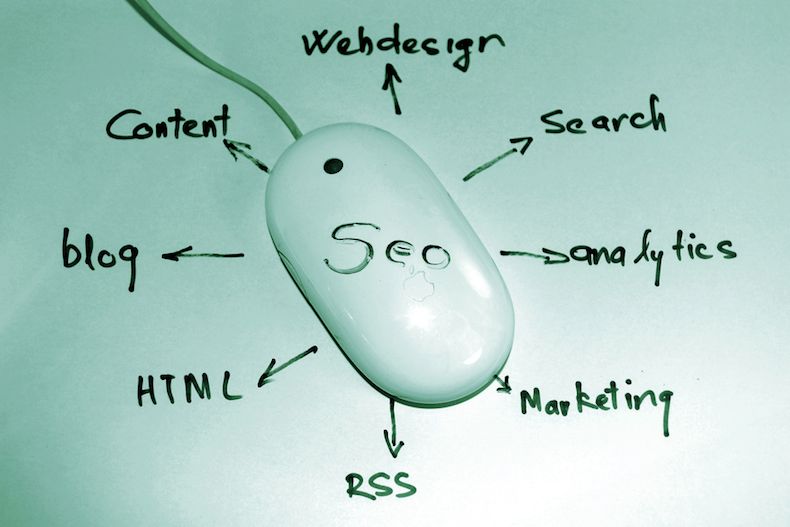
This is Day 18 of my 30 day writing challenge and since yesterday I feel the urge to write about SEO. Your schedule is probably full up with sales meetings, location visits, and the general hectic activities that characterize the life of an entrepreneur. You’ve probably heard about SEO, and know that it’s an integral part of doing business in the Internet age, but have no time to pay attention to it other than making sure your company website is up and working.
With busy people like you in mind, I’ve put together a quick guide to SEO that you can easily peruse and digest in the time it takes you to wait in line or in transit.
What is SEO?
SEO is shorthand for Search Engine Optimization, which is a certain way of building and filling out the content of your website so that search engines love your site. This involves many factors; from the way you construct the back-end of your site to the quality of content that you have on your web pages. Even the amount and quality of people who link to your site affect your rank in search engine results.
Why Should I Care?
When a user types in a keyword into a search engine like Google, Yahoo, or Bing, the engine crawls through the internet looking for websites that match the user’s defined criteria. Once done, it compiles a multi-page list of results for the user to look over.
The quality of your website’s SEO determines where you place in this ranking. Websites with excellent SEO can place as high as the top 20 results (first or second page), while other websites are relegated to the third page onward—spots that most web users don’t ever reach.
How Can I Check My SEO Effectiveness?
The simplest and easiest way to do it is to run your own search on Google. Look for your company name first, and see how high it places. Don’t be surprised if you’re not first—many businesses nowadays have similar names or have their companies mentioned by websites that place higher on search engines.
Next, search for key words that your customers would most likely use in order to find you and your competitors. “Muffin” for bakers, for example, or “winter tires” for a tire shop. Feel free to throw in a location if your business is regional (e.g. “Muffins in Boston”). Again, check where your website ranks. If you’re just starting out your business, and haven’t done much SEO, you may have to dig deeper down the list to find your website, if at all.
If you want a deeper and more thorough evaluation of how your website ranks, you can sign up for services like Google Analytics, which offers excellent stats on website performance. Many SEO agencies also offer similar statistical analysis, and can compare your site to that of your competitors.
How Can I Improve My Rankings?
Search engine companies are always updating the algorithms they use to search through websites, which makes it hard to nail down a particular strategy or tactic that is guaranteed to be 100% successful. But the one guideline that all search engines seem to follow is that your website has to be relevant to both your customer and your business. You have to review your website and adjust to be as “findable” as possible for search engines while making sure it serves the customer’s purposes while ensuring that you are not making deadly mistakes.
That’s A Lot of Work, But I Don’t Have the Time
You don’t have to do the work yourself. You shouldn’t, in fact. There are people in your employ (or who you can employ) who have a better idea of what SEO is and what your business needs. SEO is becoming a critical skill for modern marketers, so they all have some background on what it entails, and can at least help you narrow down your search for a dedicated SEO agency or professional to fix your website. Once you gain enough experience and knowledge, you can do your own SEO on a budget.
Look out for my upcoming article on how to choose the right SEO contractor for your business!


