
Most entrepreneurs prefer running a business alone. That’s because making partnerships work can be quite a headache. You can expect a lot of bickering, disagreements, conflicts of interest along the way.
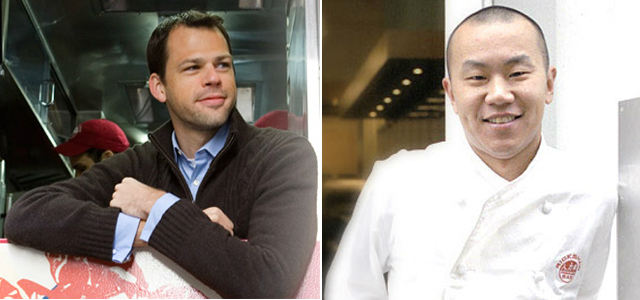
The success story of the Rickshaw Dumplings, however, shatters these assumptions. A partner can bring ideas and talents that you do not have, and even inspiration and energy to you or your business team. Partnership allowed David Weber and Kenny Lao, founders of the Rickshaw Dumplings, to gain success in what was then a business novelty – food truck business. Today, the company boasts of four to six thousand sold dumplings every day, and that’s in one store only.
Moving Your Business
In 2002, Stern School of Business students David Weber and Kevin Lao teamed up to create a concept for a business plan competition. They won second place for their Rickshaw concept (the first place went to a scrap-booking business concept that they never heard from again).
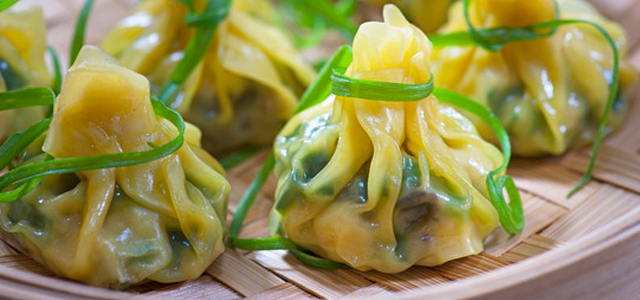
Their winning encouraged Weber and Lao to pursue their business idea. First, they have to approach celebrated chef Anita Lo to help them design the menu, which included chicken and Thai dumplings, savory soup, and edamame. They opened their first store in the 23rd Street in New York City in February 2005.
The brand was an immediate success, and soon people from other districts were asking for stores in their location.
From Growth to Survival
Rickshaw Dumplings’ next store was a complete fiasco that it nearly dragged the whole business down. Six months after they opened their second store near New York University, they saw that everything was wrong the way they were marketing their brand. For one, they were catering to the wrong crowd – the students – when their brand was targeted primarily for the young professional market. The space was large, and yet there were only a few customers. They were on the verge of bankruptcy.
Forget growth – Rickshaw had to make sure his business survives first. It was during these dark times that Weber came with the idea for a food truck. However, Weber didn’t think of it as a replacement for their bars, but for R&D purposes. Weber thought a food truck was also consistent with the Rickshaw brand, as dumplings were originally peddled as street food in Asia. They could use it to test locations, find out where the big market is. Lao resisted the idea at first. After all, food truck business was quite new at the time.
Then in 2008, Rickshaw rolled out its first truck, and it was an instant success. So they sent out more trucks. The advantages were immediately obvious. Instead of putting up many stores in different locations, one truck allowed them to sell dumplings in many locations within a period of time. As Rickshaw Dumplings gained popularity, Kenny took to Twitter their truck schedules – where and when to expect them.
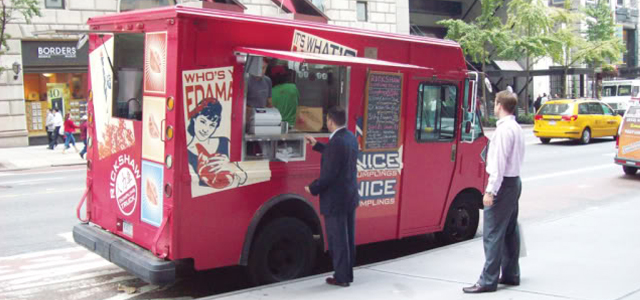
David and Kevin also applied the marketing lessons they learned from their food truck business in developing smaller stores. In effect, the trucks served as some sort of laboratory where David and Kevin experimented and learned methods for running a food business more efficiently. The Rickshaw Dumplings brand began to be associated more and more with the food truck niche.
Because of the brand’s success, generating investor funds became easier for David and Kevin. They were also provided steady cash flow that allowed brick-and-mortar expansion possible. They opened another bar in Midtown East and a kiosk in Times Square.
Rickshaw Dumplings now employs 70 people.
Making Partnerships Work
When you have a partner, you can expect a lot of disagreements along the way. David and Kevin had a lot of those. But they realized that disagreements are normal. What is important as you work together to build your brand is that you to become like yin and yang, complementing each other’s strength despite each other’s differences.
One advantage of partnership though is you have less tasks to focus on. You divide the tasks based on your talent and capability. David focused on tasks that involved money – bookkeeping, lease, finance, etc. Kenny focused on the PR aspects of the business, creating the magic that defined the brand’s personality.
As for the brand personality, a food truck conveys casual and fun. David and Kevin makes sure that image is well translated into the Rickshaw stores and company website as well.
What We Can Learn from Rickshaw Dumplings Brand Success
The Rickshaw Dumplings small business success story have shown us that if one business decision fails you, that gives you the opportunity to try another marketing or branding strategy. You should not give up easily, but take another road – it might lead you to success.
Source: http://www.youtube.com/watch?v=rJGZPctzueM


